Effective Timing for Woodpecker Hole Repairs
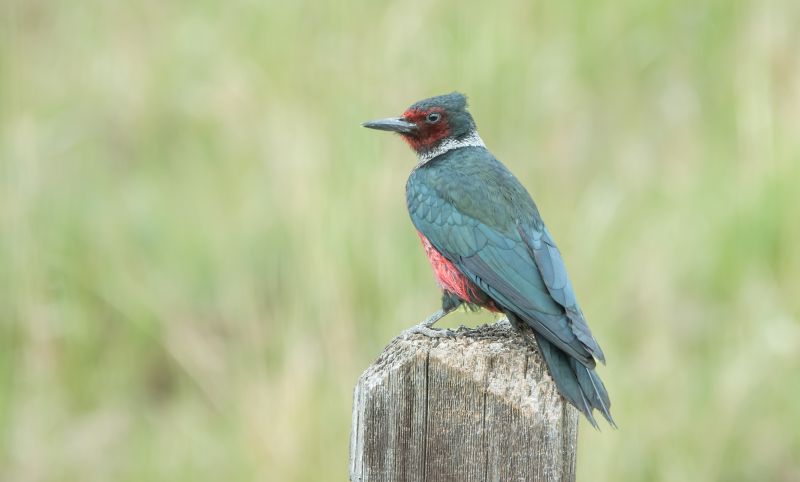
Spring offers optimal conditions for repairs due to moderate weather and active nesting periods.
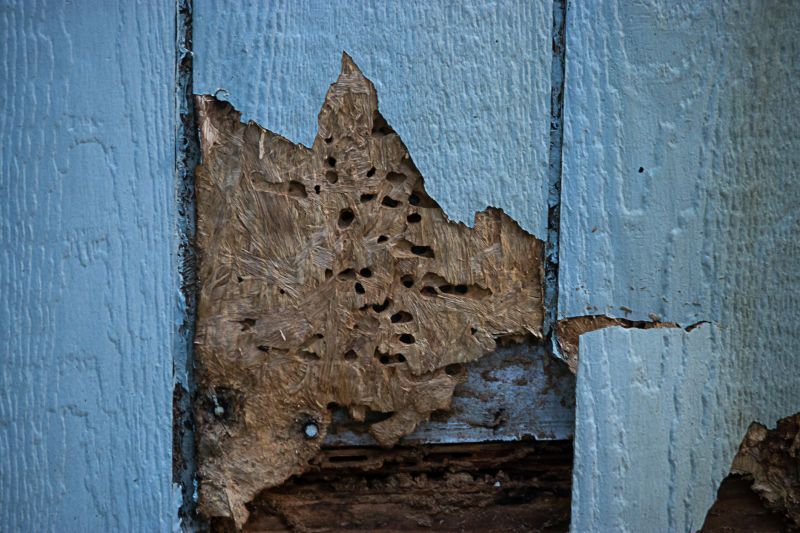
Summer provides warm weather, but high temperatures can affect repair materials' adhesion and curing.
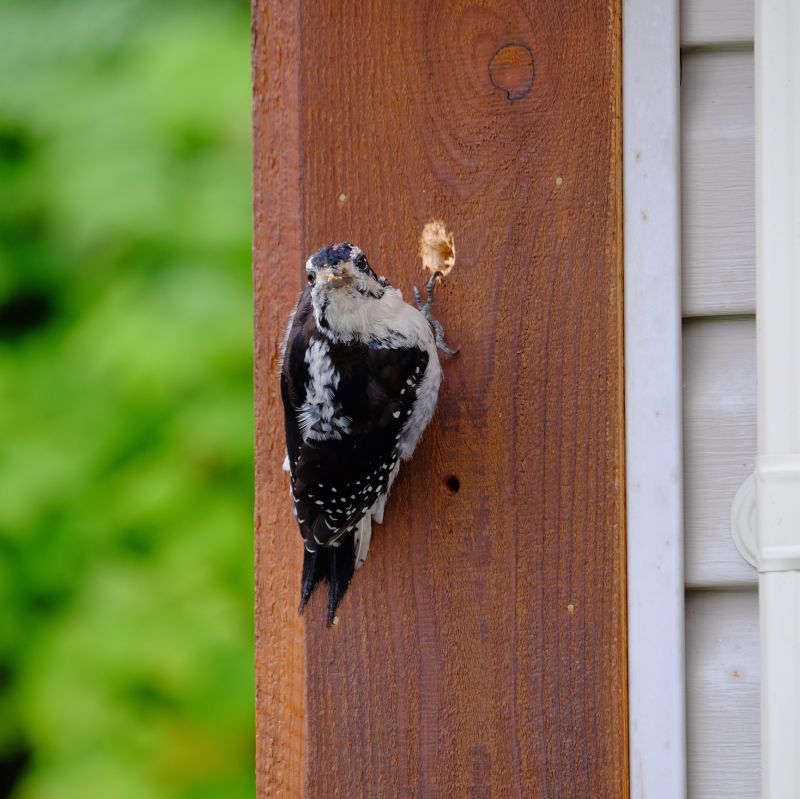
Fall allows for repairs before winter, reducing the risk of damage from harsh weather.
Ways to make Woodpecker Hole Repairs work in tight or awkward layouts.
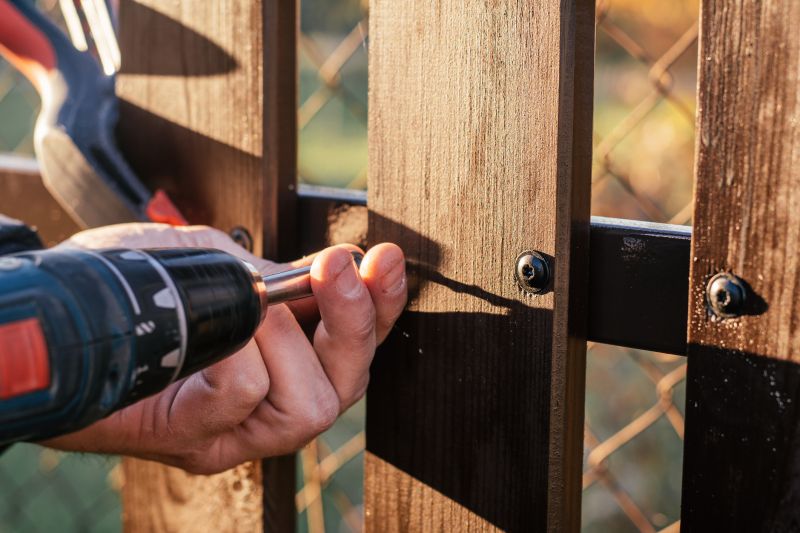
Popular materials for Woodpecker Hole Repairs and why they hold up over time.
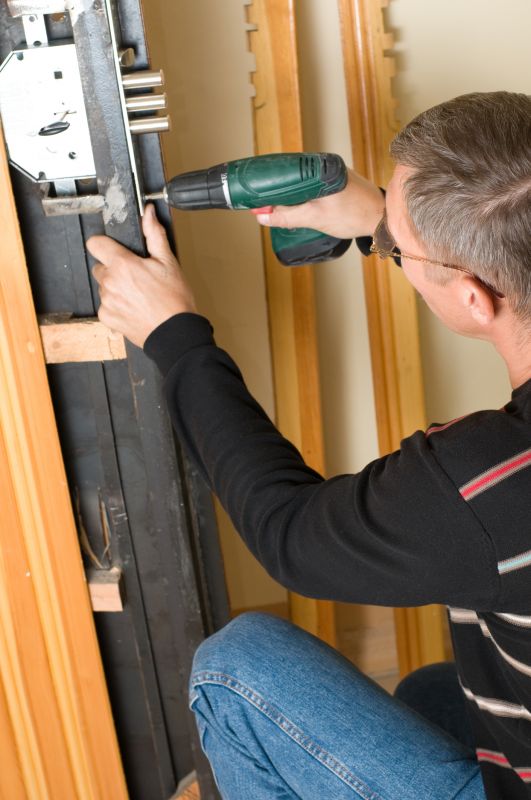
Simple add-ons that improve Woodpecker Hole Repairs without blowing the budget.
High-end options that actually feel worth it for Woodpecker Hole Repairs.
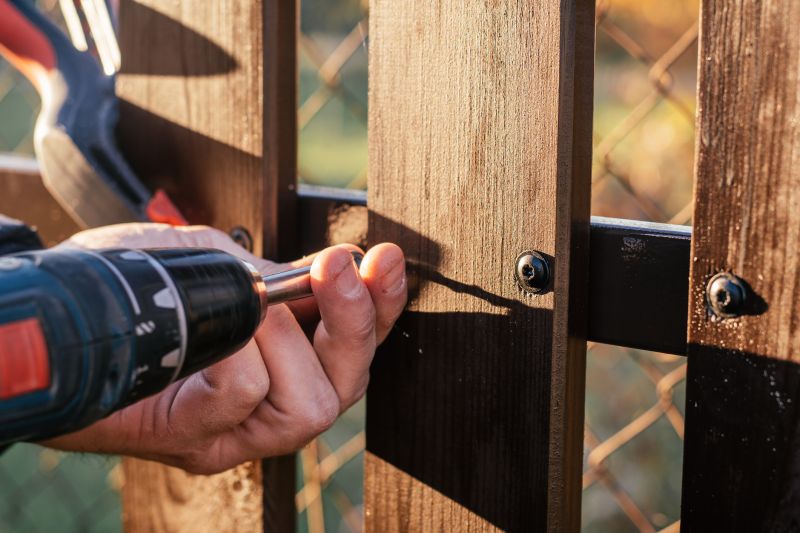
Finishes and colors that play nicely with Woodpecker Hole Repairs.
Woodpecker holes are common in wooden structures, often caused by the natural foraging behavior of woodpeckers. These holes can vary in size and frequency, impacting the integrity of the wood. Timely repairs are essential to prevent further damage, pest intrusion, and structural weakening. The best time to undertake repairs depends on weather conditions, bird activity, and the type of repair materials used.
Perform repairs during mild weather to ensure proper adhesion and curing of repair materials.
Rain, extreme heat, and cold can compromise repair effectiveness and longevity.
Understanding peak nesting seasons helps plan repairs to avoid disrupting breeding periods.
Use weather-resistant and durable materials suited for the specific season for best results.
| Season | Recommended Repair Timing |
|---|---|
| Spring | Early spring before nesting begins |
| Summer | Late summer after nesting ends |
| Fall | Early fall before winter weather sets in |
| Winter | Only if necessary, with weather considerations |
| General | Avoid repairs during extreme weather conditions |
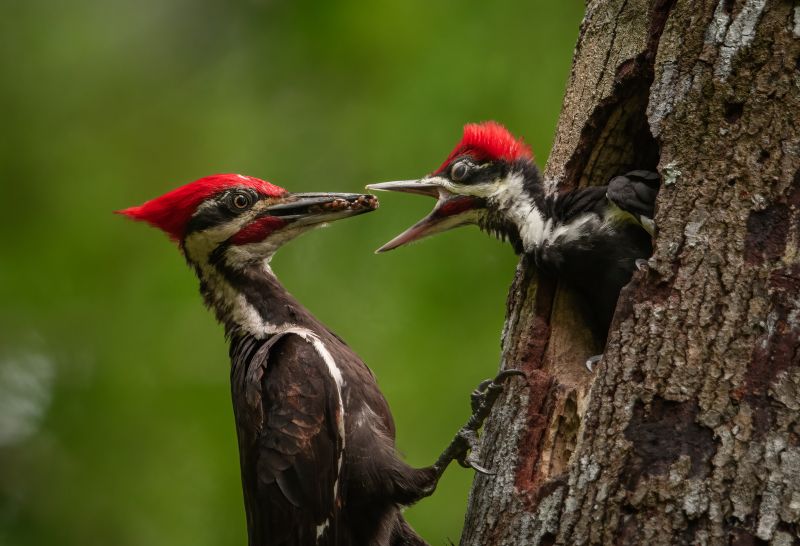
A detailed view of the repair process, including cleaning, filling, and finishing.
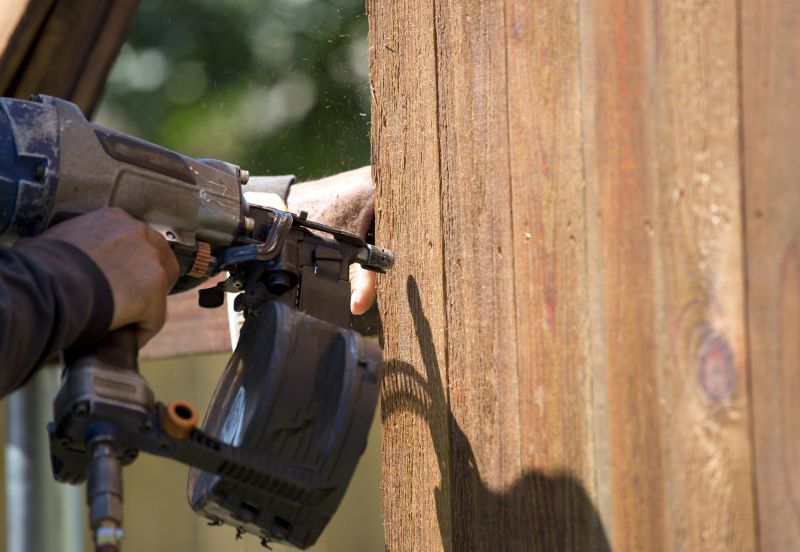
Specialized tools and materials ensure effective and durable repairs.
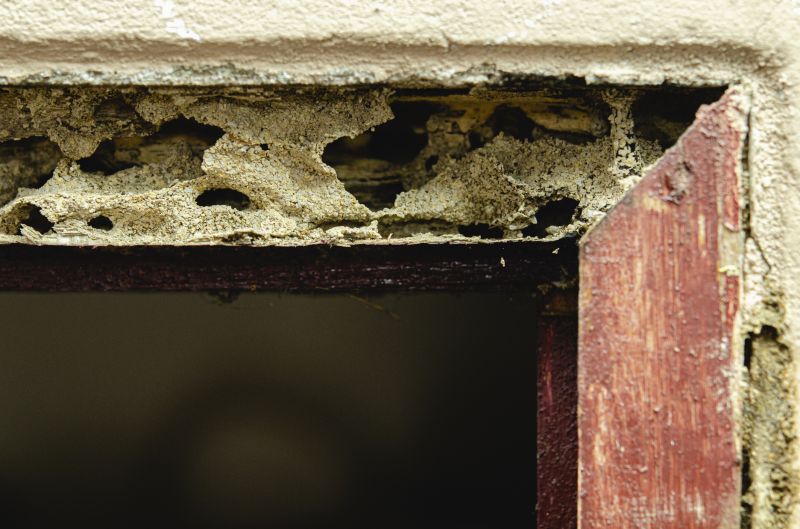
Visual comparison highlighting the effectiveness of proper repairs.
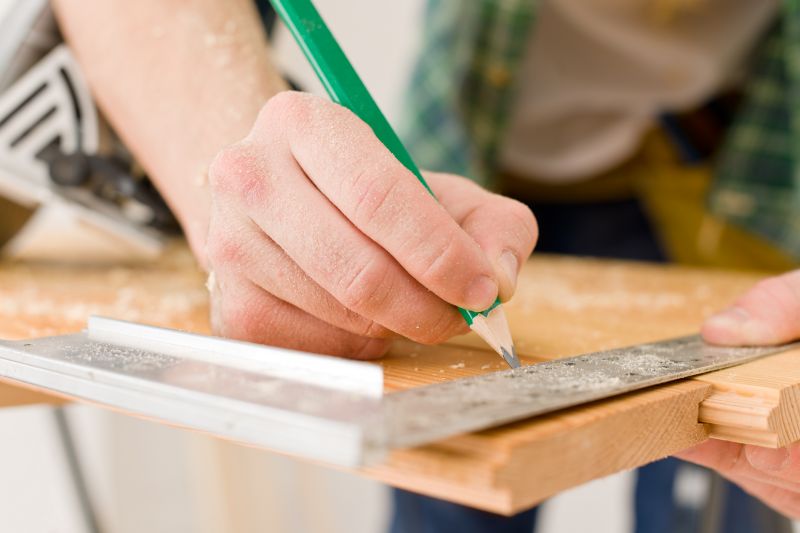
Installing deterrents to minimize future hole formation.
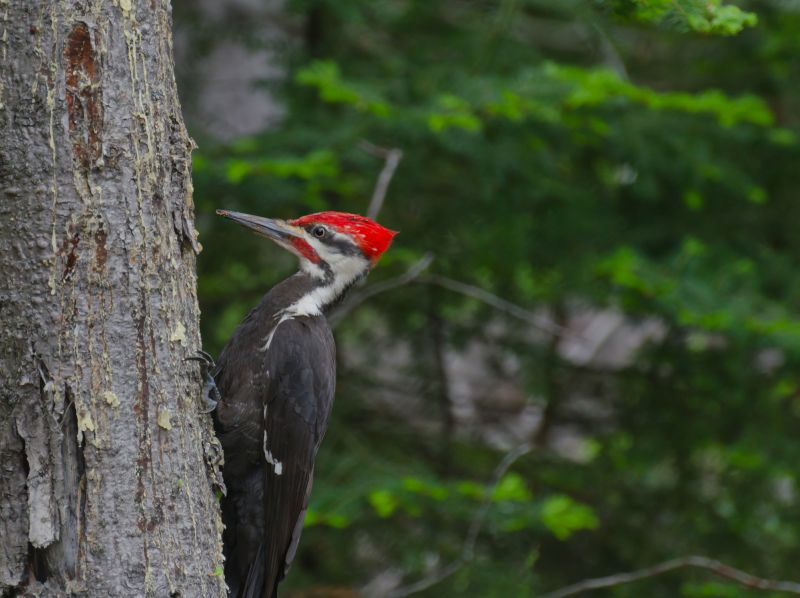
A 60-second routine that keeps Woodpecker Hole Repairs looking new.
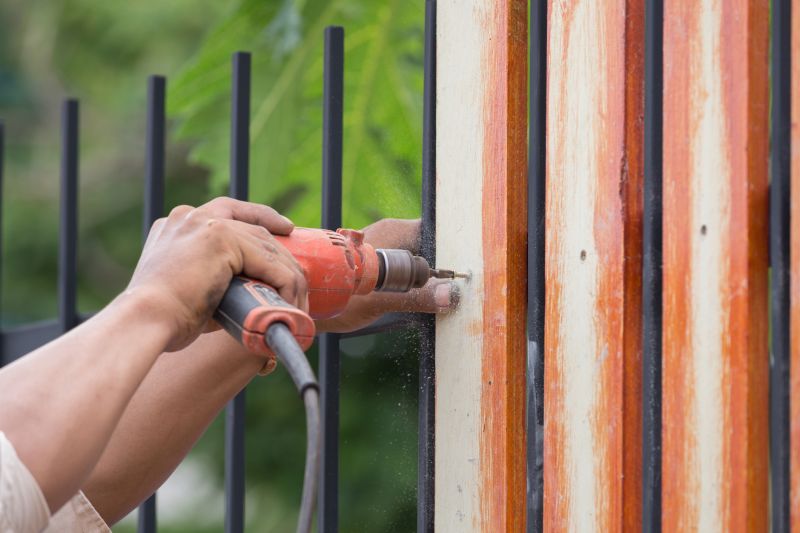
A frequent mistake in Woodpecker Hole Repairs and how to dodge it.
Small tweaks to make Woodpecker Hole Repairs safer and easier to use.
Lower-waste or water-saving choices for Woodpecker Hole Repairs.
Timely and properly timed repairs can significantly extend the lifespan of wooden structures affected by woodpecker activity. Using appropriate materials and techniques suited for the season enhances durability and reduces the likelihood of repeat damage. Regular inspections and preventative strategies are recommended to maintain structural integrity and minimize maintenance costs.
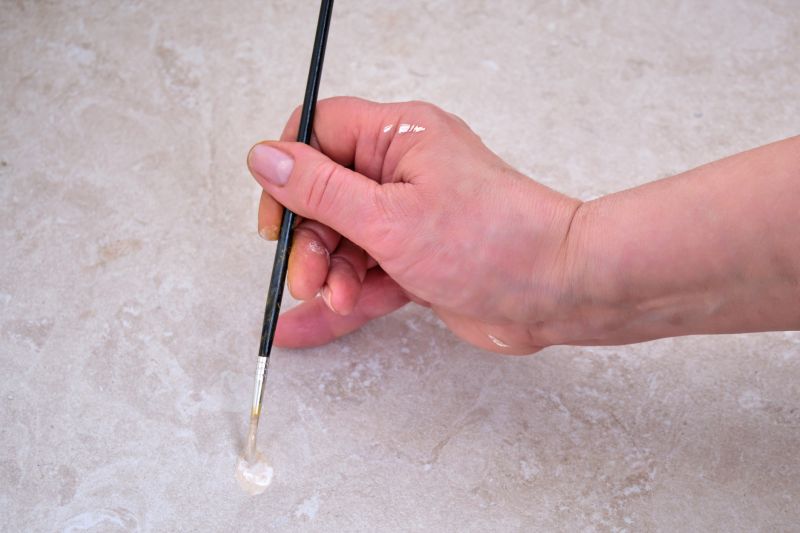
Weather-resistant fillers and sealants designed for wood surfaces.
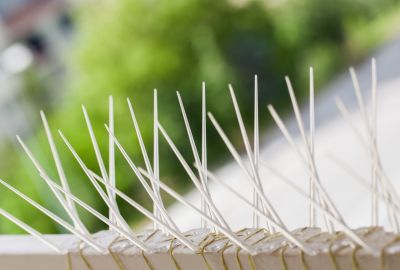
Visual and auditory deterrents to discourage woodpecker activity.
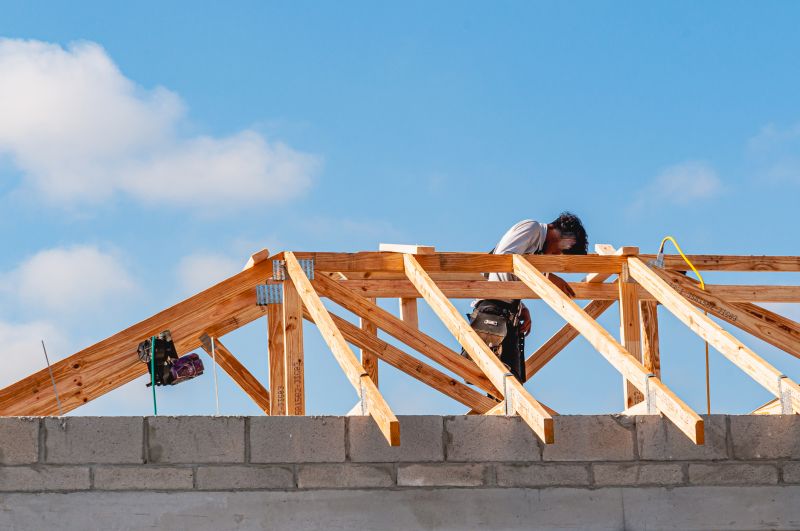
Additional supports to prevent future damage in vulnerable areas.
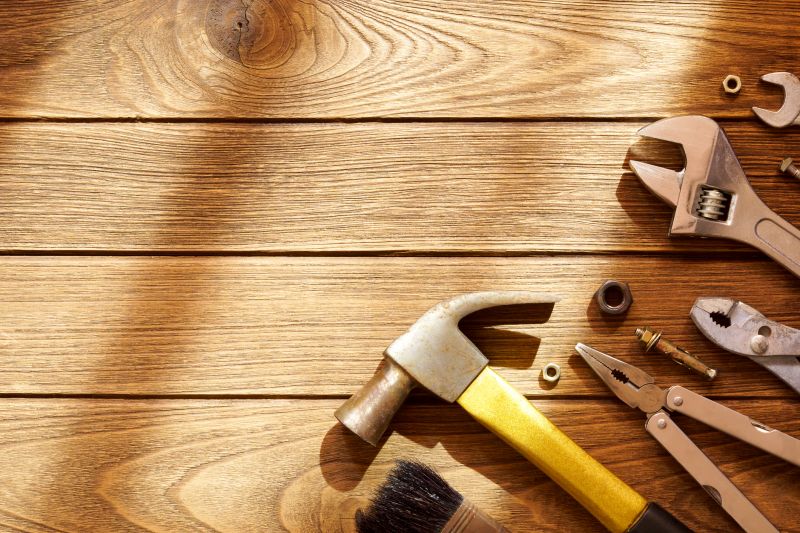
The short, realistic tool list for quality Woodpecker Hole Repairs.
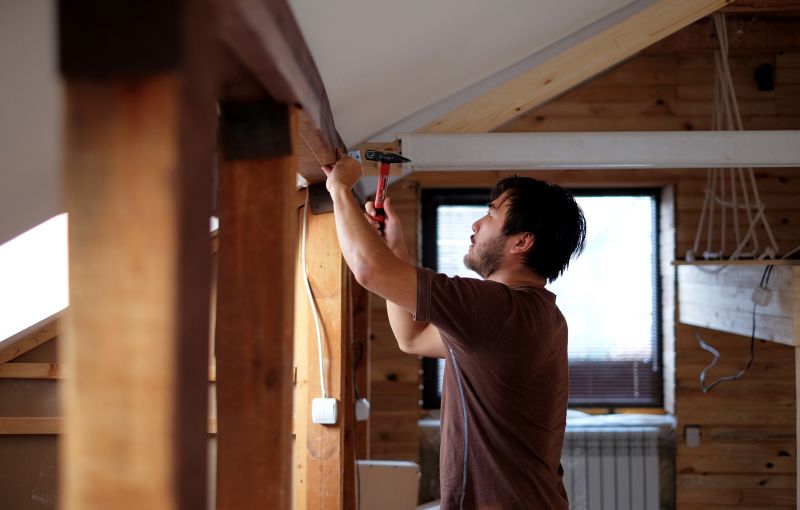
Rough timing from prep to clean-up for Woodpecker Hole Repairs.
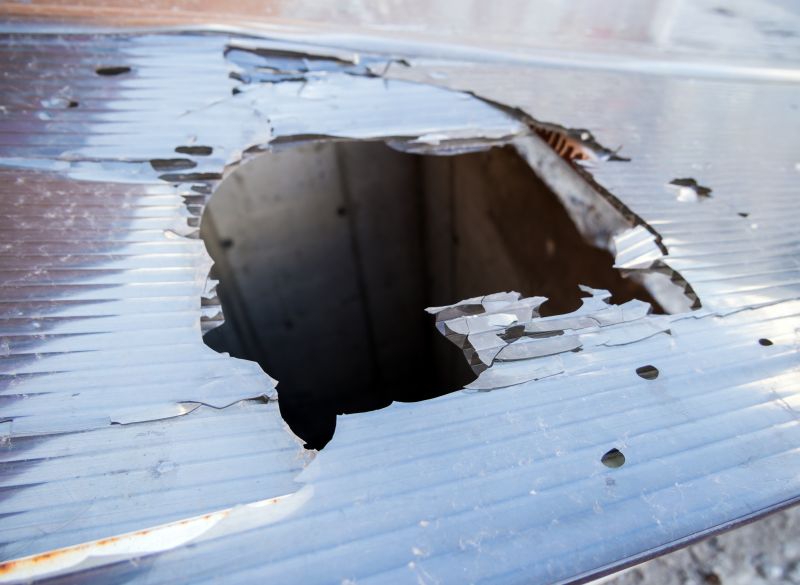
Quick checks and paperwork to keep after Woodpecker Hole Repairs.
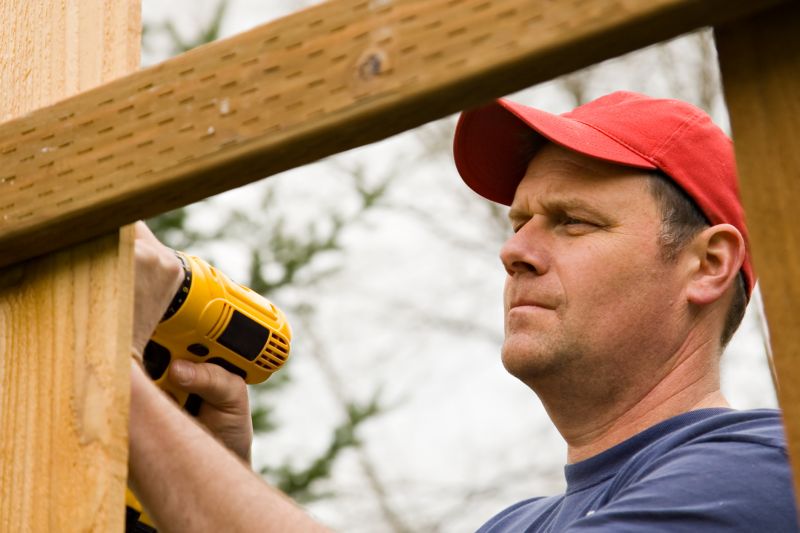
Examples that show the impact a good Woodpecker Hole Repairs can make.
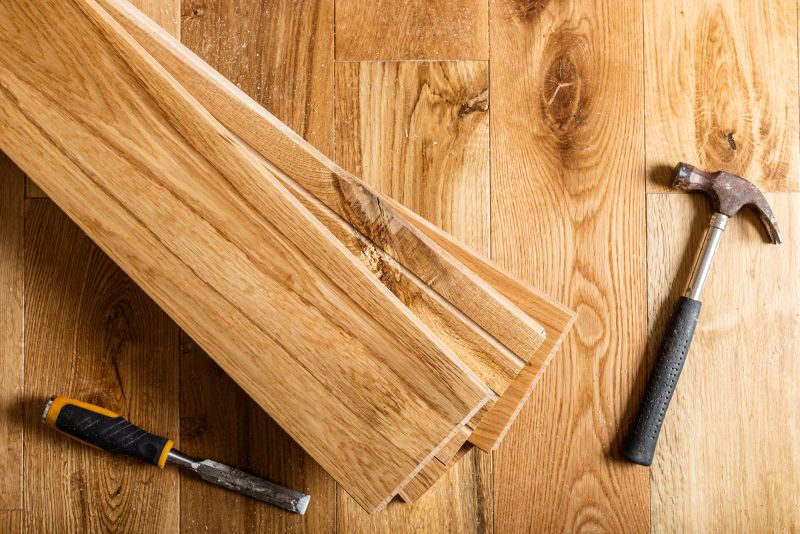
Ways to make Woodpecker Hole Repairs work in tight or awkward layouts.
Interested in addressing woodpecker holes effectively? Filling out the contact form provides access to expert advice and tailored repair solutions to maintain the integrity of wooden structures.